

As private chefs, we often focus on crafting the perfect menu, but success starts long before the first ingredient is prepped. Whether you’re catering a retreat, hosting a cooking class, or planning an in-home dinner party, the questions you ask your clients can make or break the experience. From kitchen setup to dietary needs to emotional tone, understanding the full picture ensures you can deliver exceptional service while protecting your time, energy, and boundaries. In this guide, you’ll learn exactly what to ask (and why), drawn from years of hands-on experience across Hawaii and beyond.

Over the years, I’ve cooked on mountaintops, barefoot on beaches, in multimillion-dollar estate kitchens, and on folding tables in off-grid yurts. I’ve cooked for retreats where dinner was a ceremony, and for families who just needed nourishment between surf sessions and toddler naps. Through it all, one thing remains true: what we ask our clients before we cook for them matters just as much as the food we serve.
As chefs, we’re not just delivering plates; we’re delivering experiences. And the only way to truly deliver what our clients want (and protect our time, energy, and boundaries) is to get crystal clear up front.
This post is a no-gatekeeping guide, to help you ask the right questions, think through the nuances, and step into gigs with confidence and clarity.
Honoring Private Chef Work: Why It’s Not “Just Dinner”
It might sound like “just a dinner party” or “just meal prep” – but you and I both know that behind every gig is:
- Hours of shopping and sourcing
- Menu planning that accounts for allergens, aesthetics, and what’s ripe at the farmers market
- Logistics like arrival time, equipment, storage, and cleanup
- Emotional presence: making someone’s birthday, proposal, or postpartum week feel cared for
The chefs who thrive long-term are the ones who learn to navigate these layers before they’re on-site.
So let’s dig into the questions you need to be asking, organized by the most common gig types.
Private Chef Dinners & Tastings
These are your seated dinners, tasting menus, and elevated pupu-style events.
Minimum questions to ask clients while booking a fine dining private chef dinner or private tasting menu:
- Is this plated, family-style, buffet, or pupu-style?
- How many courses are expected?
- Will guests be seated at the same time?
- Will there be speeches, toasts, or special moments to time courses around?
- Is there an equipped kitchen with oven, burners, and plating space?
- Who’s handling dishware, silverware, napkins — me or the client?
- Are there allergies or dietary needs?
- Should I remain behind the scenes, or interact with guests?
- Is this for a special occasion (birthday, anniversary, proposal)?
Chef Note: Just because someone says “plated dinner for 10” doesn’t mean their rental has more than 4 forks or a functioning oven. Always ask.
Meal Prep & Delivery
This covers both in-home custom meal prep and off-site batched delivery. Clients often don’t know which one they need — you can help them figure it out.
Questions chefs should ask before booking a meal prep client:
- Will I be cooking in their home or delivering meals prepared off-site?
- How many meals per week?
- How many portions per meal?
- Any dietary goals (healing, postpartum, weight loss, energy)?
- Will I be shopping for ingredients, or will they?
- Do they have proper fridge/freezer space and containers?
- Do they want individual portions or family-style?
- How long should meals last?
- Do they want sauces, snacks, juices, or smoothies?
Common Meal Prep Formats and What They Mean for Private Chefs:
- 4 meals, 4 portions each (16 meals)
- 5 meals, 2 portions each (great for solos)
- 3 meals, 6 portions (for families)
- (Use these to guide planning and pricing.)
Chef Note: I always bring up container expectations early, and while some chefs do disposable, I prefer snap-lock tupperware, the same for all clients. I’ll add that into my first booking costs.
Retreat Catering
Retreats are equal parts nourishment and flow. Whether it’s a yoga immersion, corporate offsite, or spiritual wellness journey, your food is part of the transformation.
Questions to ask retreat catering clients wanting chef services:
- What’s the retreat’s purpose or theme?
- Who is the organizer/facilitator?
- How many guests total, and how many meals per day?
- Are staff/facilitators eating the same meals?
- What are the exact meal times or windows?
- Is there a kitchen, and is it fully equipped?
- Is this a remote location (travel time, food sourcing, chef accommodation)?
- What level of service is expected? (buffet, plated, served?)
- Are there ceremonial meals or special events (birthdays, final night feast)?
- Will I need FOH or assistants?
Pro Chef Insights on Retreat Catering:
- Dinner is almost always more labor & cost intensive, and should cost more than breakfast.
- Smaller groups cost more per person.
- Retreat clients often underestimate dietary nuance: ask about allergies, wellness philosophies, and guest sensitivity levels.
Chef Note: On retreats, you’re holding space as much as you’re feeding people. Plan for long days, quiet mornings, and always keep a cup of coffee or coconut matcha for yourself.
Cooking Classes & Demos
These are among the most searched-for services, and among the most misunderstood. A cooking class is not a private dinner with a chef talking a bit more, and additional prep and food display.
What chefs should know before booking private cooking classes:
- Is this hands-on or demo-style?
- Will it take place in my kitchen, their home, or a venue?
- How many participants?
- Do they have enough burners, knives, cutting boards?
- Will guests eat the food they cook, or just observe?
- Any themes (Hawaiian, plant-based, pasta-making)?
- Is this a one-off class or part of a retreat or dinner?
- Do they want printed recipes or follow-ups?
Pro Chef Insights on Cooking Classes:
- Without a cooking class equipped kitchen or a stash of induction burners, the actual cooking portion may just be you doing a demo. I prefer a more hands on approach, with non-cooked items that allow everyone to participate.
- For classes above 4-6 people, an assistant is necessary to support with flow and ease.
- Even if you don’t want to invest in portable induction burners (and the matching pots/pans!) for everyone, consider investing at least in matching cutting board sets and aprons for guests.
Chef Note: A demo before a private dinner is a great upsell, but it adds time, energy, and crowd engagement. Price and prep accordingly.
Grazing Boards, Picnics & No-Cook Styling
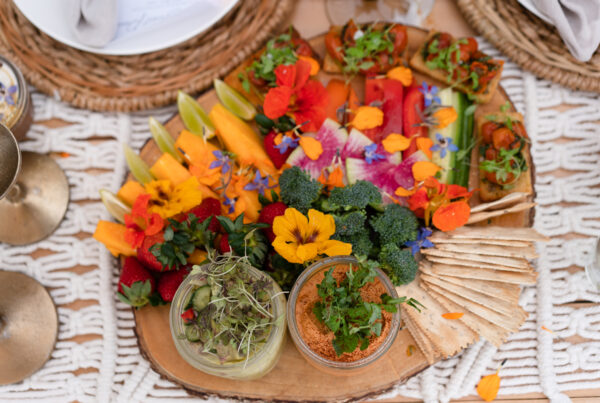
This is the artful, Instagrammable side of culinary: boards, platters, styled set-ups, and drop-off picnics.
What chefs should know before booking styled grazing boards and picnics:
- Is this drop-off only or do they want me to style on-site?
- Is it indoor or outdoor?
- How long does the food need to hold at room temp?
- Do they need props, platters, flowers?
- Will I return for clean-up?
- Are they expecting hot items? (Gently remind: no-cook means just that.)
Chef Note: These can seem “easy,” but the artful styling, sourcing, and travel time add up. Charge for your aesthetic. Your time is worth it.
Contract & Long-Term Bookings
Some clients want a chef with them for 1–2 weeks on vacation. Others need a salaried, ongoing chef. These gigs are big commitments — and big opportunities if scoped correctly.
What private chefs should know before accepting a vacation or temporary booking:
- What’s the duration: daily for 1 week, or salaried ongoing?
- How many meals per day?
- What are the exact hours the chef is expected to be present?
- Is this “on call all day” or defined windows?
- Will the chef be cooking fresh or stocking the fridge?
- Is accommodation provided (for remote or long shifts)?
- Will the chef have time off or rest periods?
- Will an assistant or server be required?
Chef Note: These gigs can pay beautifully; or burn you out if you’re not clear on boundaries. Build in breaks. You are not a robot.
Final Thoughts from One Chef to Another
There’s no perfect script, no one-size-fits-all intake. But there is one thing I wish someone had told me earlier in my career:
“If it feels unclear now, it’ll feel worse onsite.”
Ask the questions. Confirm the kitchen. Confirm the expectations; not just the food.
You deserve to walk into every gig with clarity, confidence, and the space to do what you do best: feed people with love, skill, and intention.
And if you ever need backup, a second pair of eyes, a pricing strategy check, or someone to talk through a complex client, More Pleaze is here for you! We are currently enrolling private chefs, and we’d love to welcome you to our team!
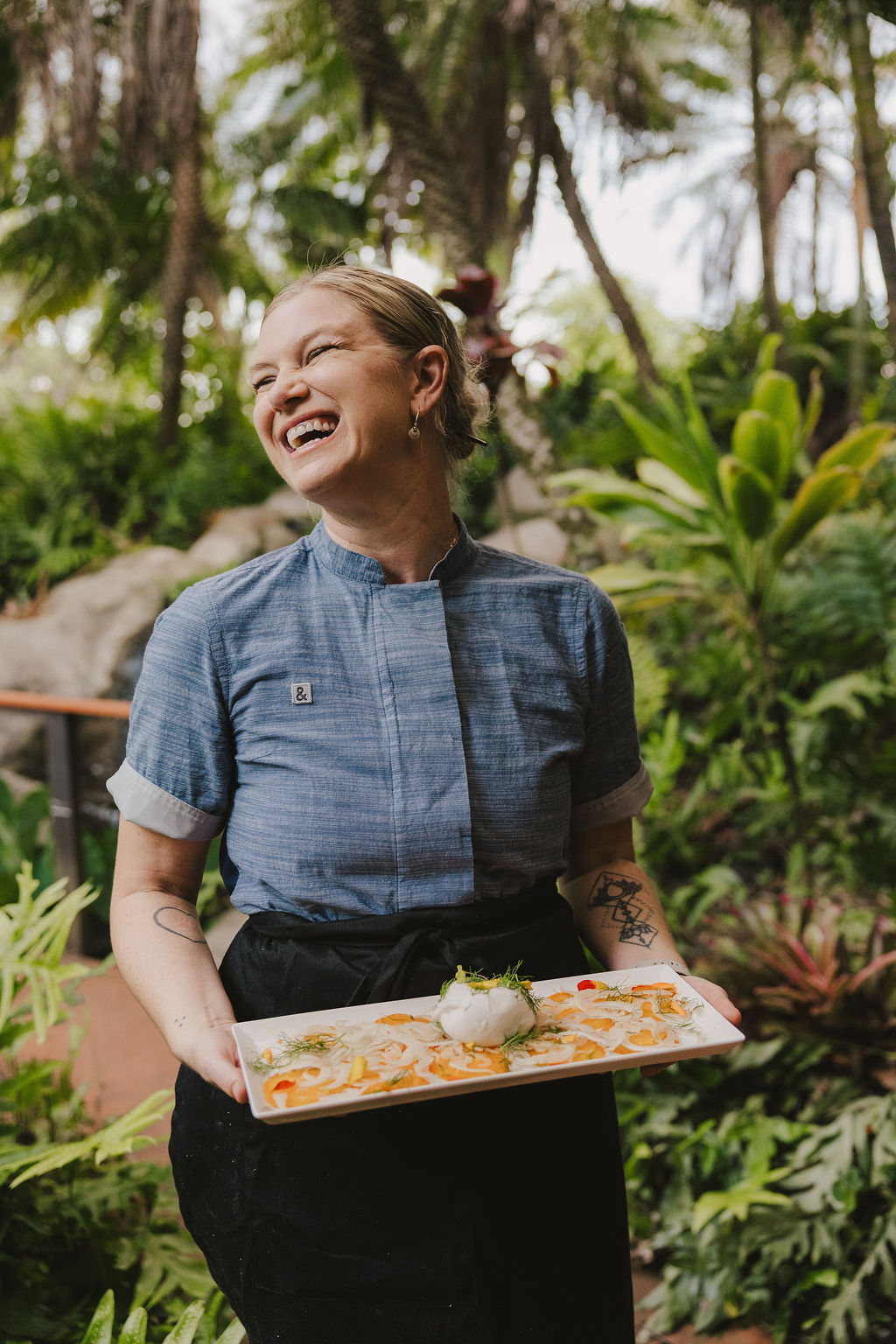
Kyra Bramble, the founder of More Pleaze, is a private chef and educator who has redefined the culinary experience by focusing on food as a means of storytelling, sharing, and healing. Her journey began with a deep passion for creating intentional, locally sourced cuisine that nourishes both body and soul. With extensive experience in retreat catering and a holistic approach to food, Kyra has built a vibrant community of chefs through More Pleaze, celebrating the joy of exceptional dining. Kyra is also the head chef at Lotus Chefs available for select coaching and consultations along with chef-specific digital downloads at her personal website, offering her expertise to private chefs who want to deepen their craft and navigate the business side of their culinary journey.